



Precautionary recalls of infant formula products across the Middle East and North Africa have expanded, bringing renewed focus on batch traceability and regulatory coordination in the packaged nutrition sector.
Earlier this month, Nestlé announced a voluntary recall of selected batches of its NAN, S-26 and ALFAMINO infant formula products distributed in specific MENA markets, citing the potential presence of cereulide linked to one ingredient supplied by a third party. No illnesses have been confirmed, and the company stated that all other products and non-affected batches remain safe to consume.
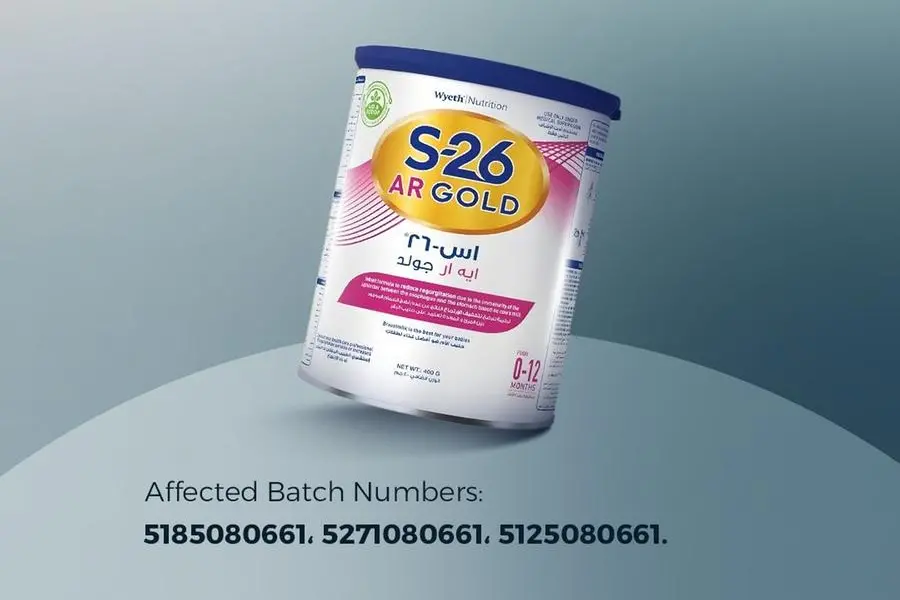
In a related development, the Emirates Drug Establishment (EDE) has confirmed that additional batches of Nestlé’s S-26 AR GOLD infant formula, used under medical supervision, have been included in the scope of the voluntary recall in the UAE. According to the regulator, the affected batch numbers are 5185080661, 5271080661 and 5125080661.
The EDE said the action follows the detection of traces of Bacillus cereus in a production input, a bacterium capable of producing cereulide toxin, which may cause gastrointestinal symptoms. Working in coordination with Nestlé, the Establishment confirmed that all affected batches held in distributor warehouses have been secured, with efforts ongoing to withdraw any remaining products from retail channels, including e-commerce platforms.
Nestlé has published detailed country-specific recall information and introduced digital batch-verification tools to help consumers identify affected products and request refunds or replacements. The EDE has urged consumers to rely on these official channels and follow the issued guidance.
For packaging and processing stakeholders, the developments underline the importance of accurate batch coding, packaging-based traceability and rapid stock-blocking procedures in managing targeted recalls across complex, multi-market supply chains.